Picnic
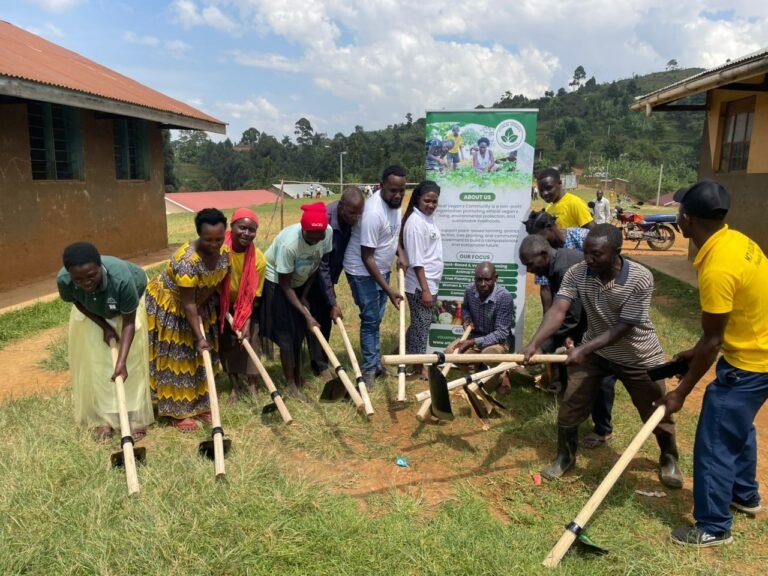
Women and young people are often the most affected by unemployment and limited access to resources. Providing them with skills and opportunities in sustainable agriculture and environmental programs creates lasting change. Empowerment goes beyond financial support. It includes leadership training, education, and the confidence to start small projects that grow over time. When women and…
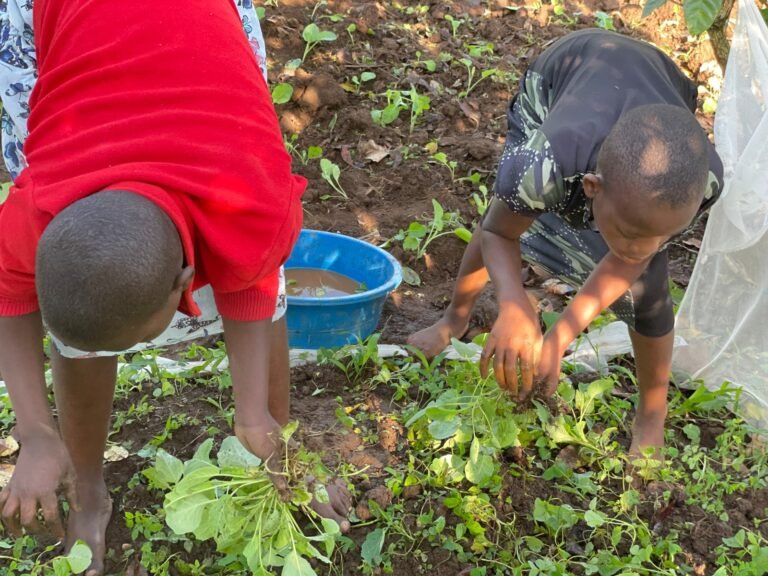
Plant-based farming is more than a food choice — it is a practical solution to many of the social and environmental challenges communities face today. By growing vegetables, fruits, grains, and legumes instead of relying heavily on animal farming, families can reduce costs, protect natural resources, and create healthier lifestyles. Plant-based agriculture uses less water,…
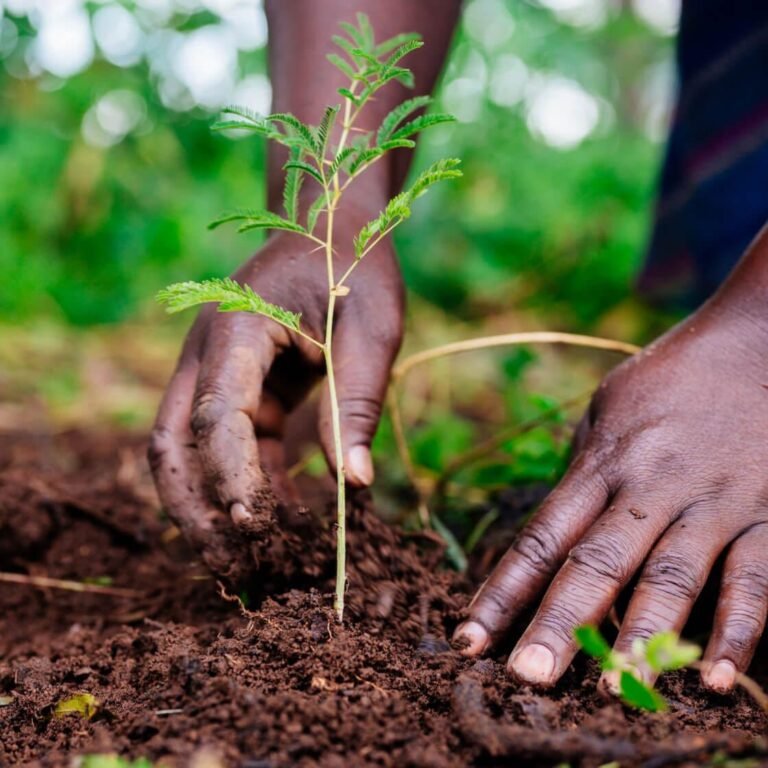
Trees are one of the most effective natural tools for restoring the planet. They absorb carbon dioxide, improve air quality, prevent soil erosion, and create habitats for wildlife. In many communities, tree planting also improves food security when fruit trees are grown. Climate change is already affecting rainfall patterns, agriculture, and livelihoods. Planting trees is…
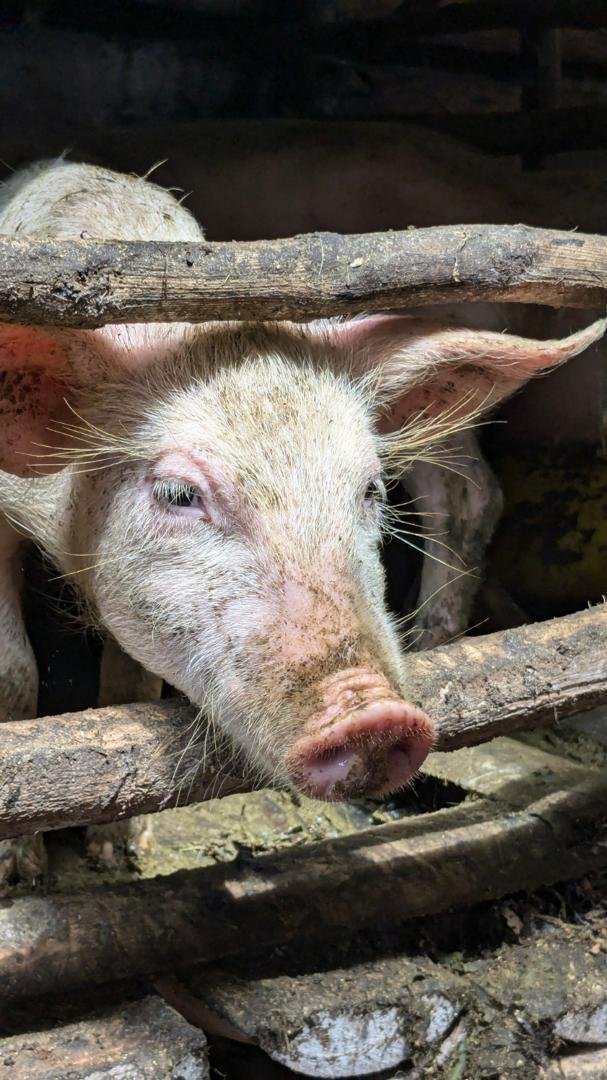
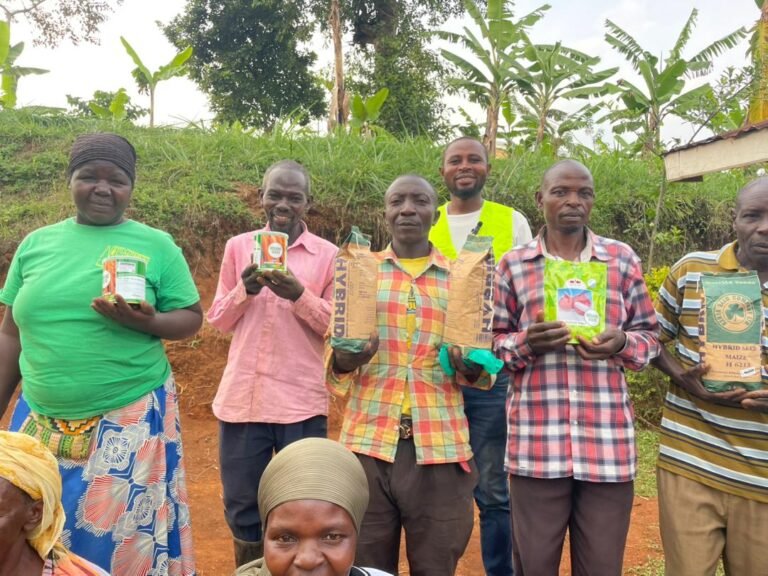
As you have been following our transition program, we are pleased to share new updates on our ongoing initiative to support former slaughterhouse workers in transitioning to veganic farming and sustainable livelihoods. Over the past several months, our team has remained committed to educating and empowering former slaughterhouse workers with practical skills and knowledge in…
Dear Donors,
We are deeply grateful to all our supporters and partners who have stood with us since the launch of our Transition Program for Former Slaughterhouse Workers. Your belief in this mission is creating real, lasting change—for both people and animals.
Project Overview & Progress
In partnership with Plenty Food International, we launched this initiative to support 35 former slaughterhouse workers in transitioning to sustainable, plant-based livelihoods.
We are excited to share that:
Over 50% of the project has been successfully completed
We have conducted educational conferences and training sessions
Participants are learning how to grow food organically, without harming animals or using animal-based inputs
These sessions are equipping individuals with practical skills and a renewed sense of purpose.
Empowering New Livelihoods
We recognized that participants have different starting points, so we tailored our support:
For participants with land:
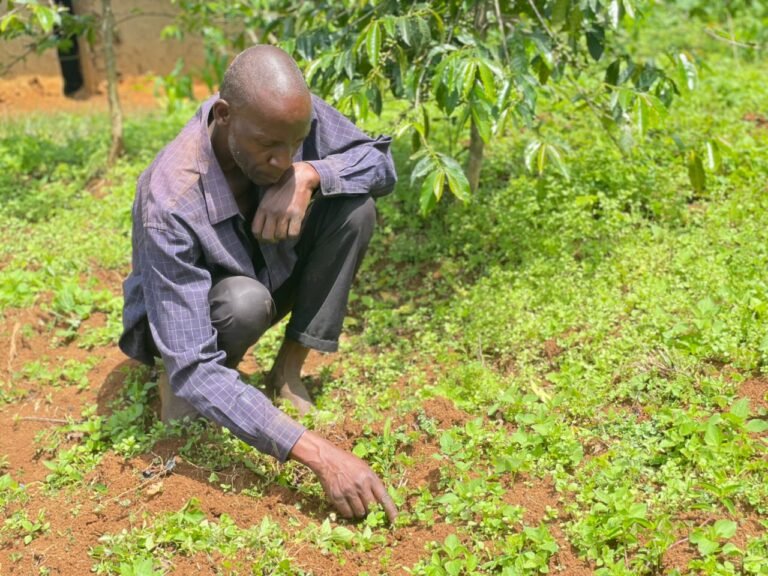
Provided hands-on training in organic farming
Distributed seeds and farming tools (such as hoes)
Trained farmers to produce organic manure to improve soil fertility
For participants without land:
Established roadside vegetable stands, especially supporting women
Offered guidance on how to build a daily income through vegetable sales
Helped transition away from selling animals to plant-based commerce
So far, we have:
Supported at least 40 farmers directly with seeds and essentials
Expanded our reach to 100 farmers supported each planting season
Promote food security through plant-based agriculture
Encourage communities to adopt sustainable, cruelty-free farming practices
Reduce dependence on animal-based livelihoods
Partnerships & Support
We are proud to share that our work continues to gain recognition:
Received a $500 grant from the Well Fed World organization
Funds are being used to provide seeds and expand farmer support
Ongoing collaboration with advocacy and policy groups such as:
Thrive Africa
We The Free (Animal Rights Movement)
Advocacy & Community Engagement
Beyond farming, we are actively raising awareness:
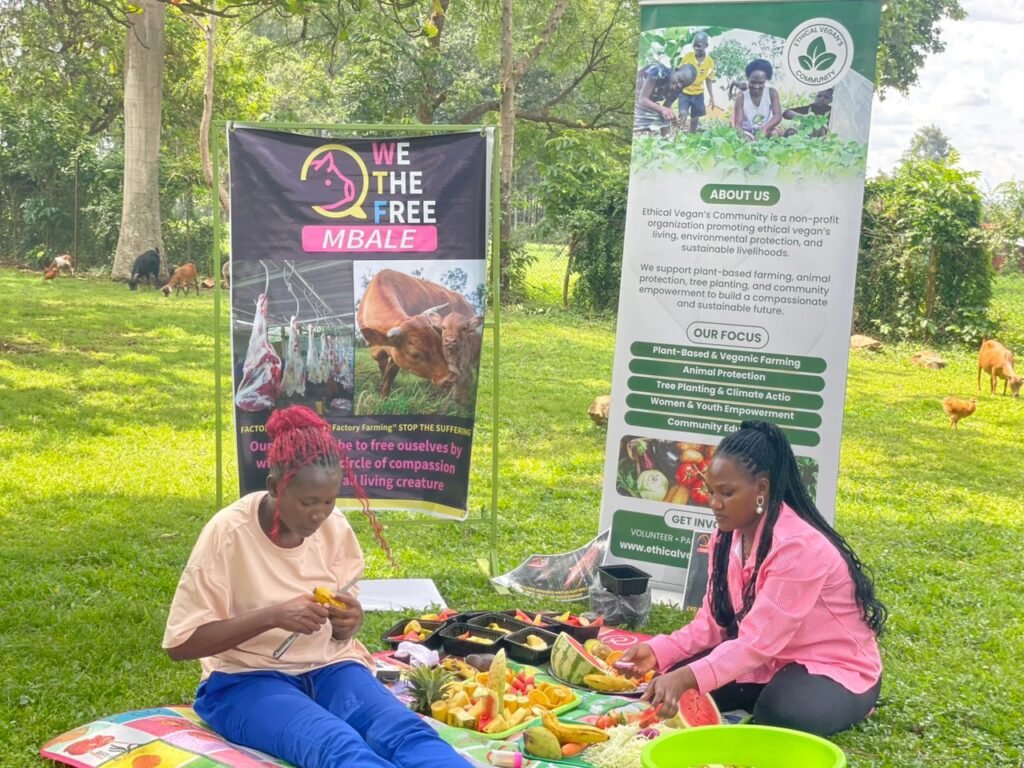
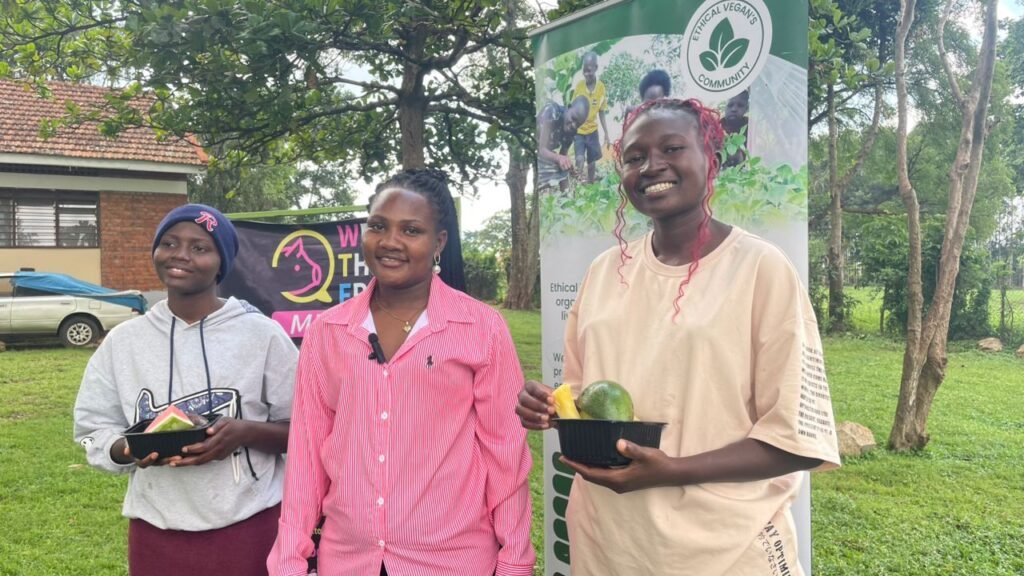
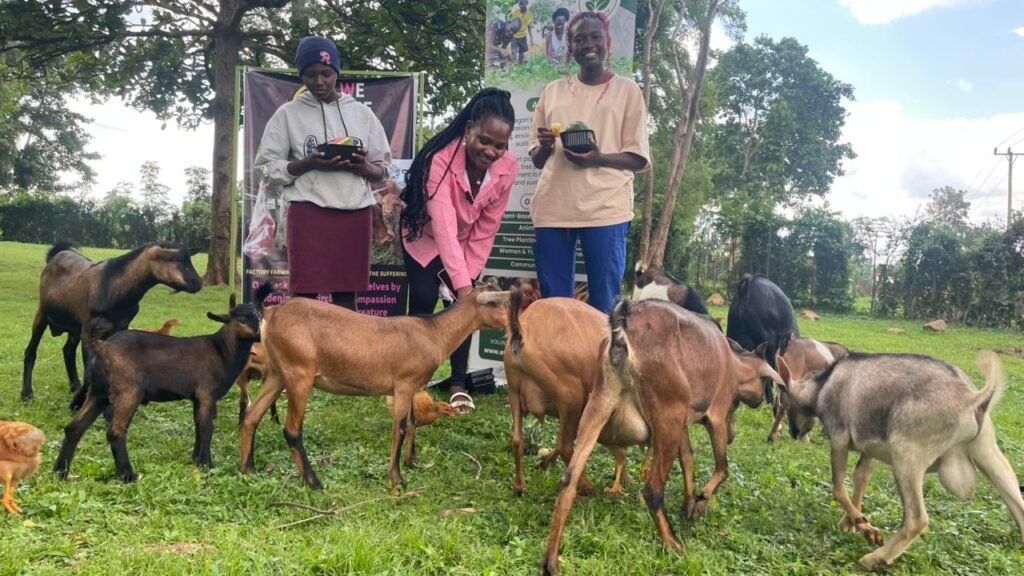
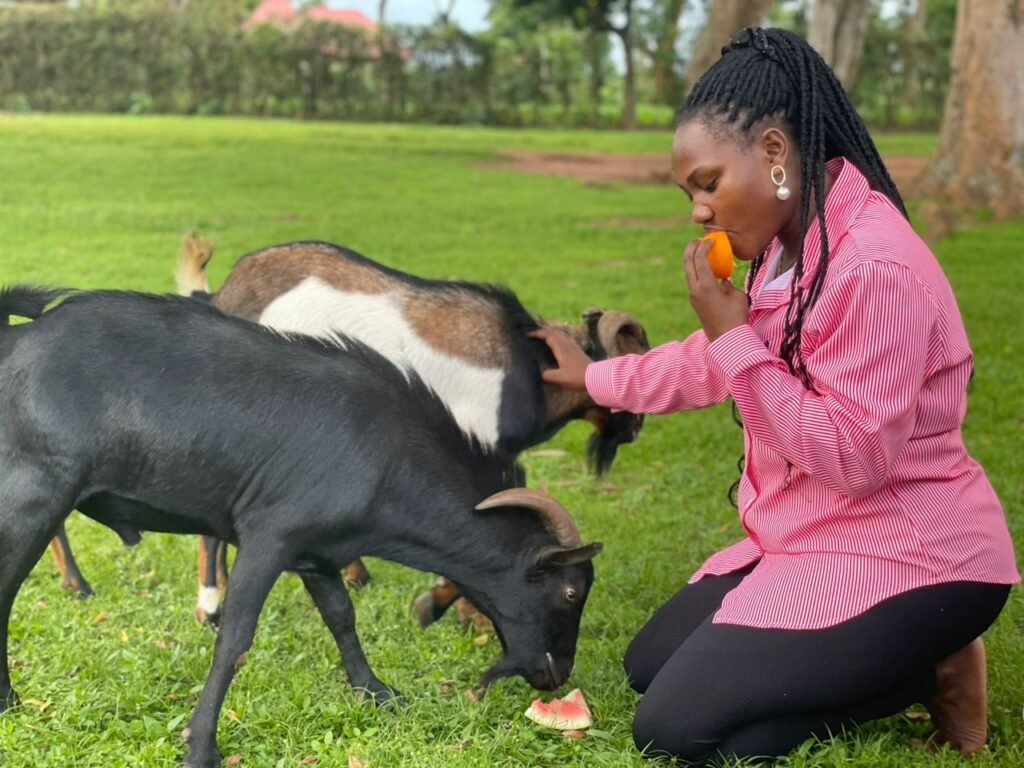
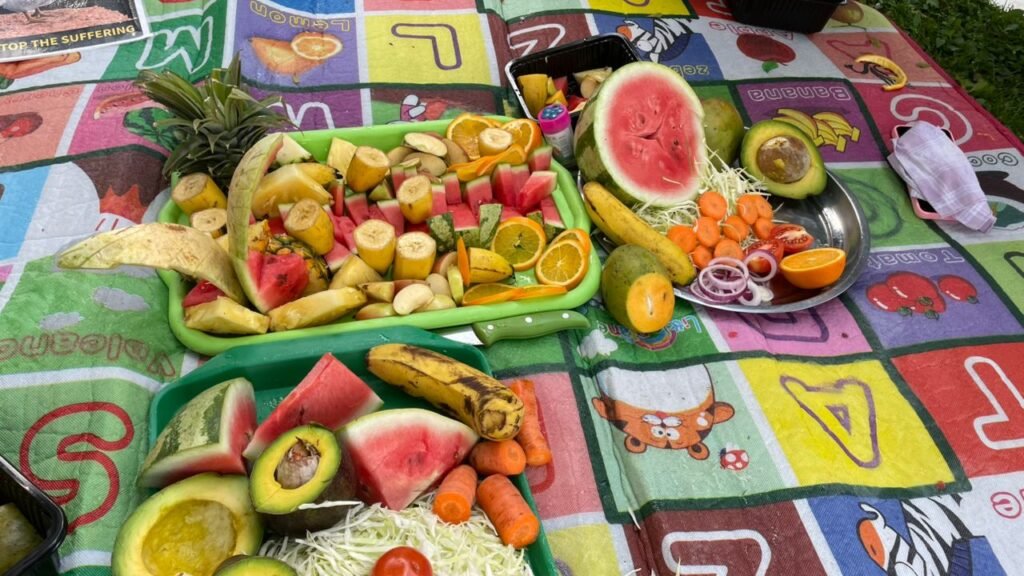
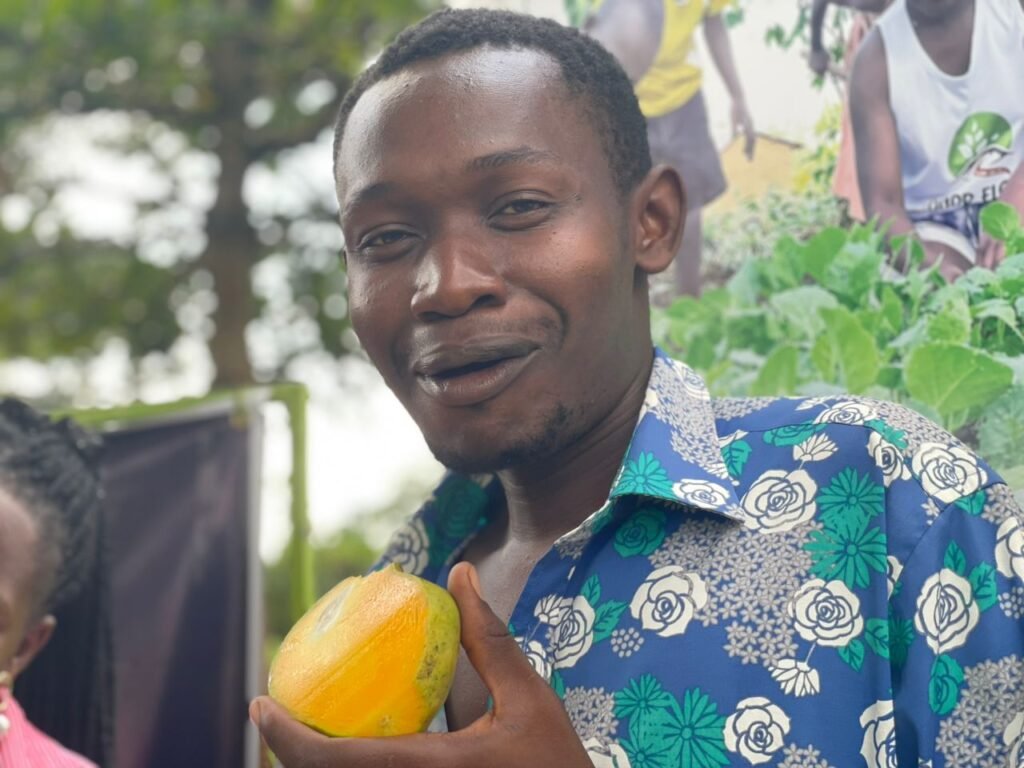
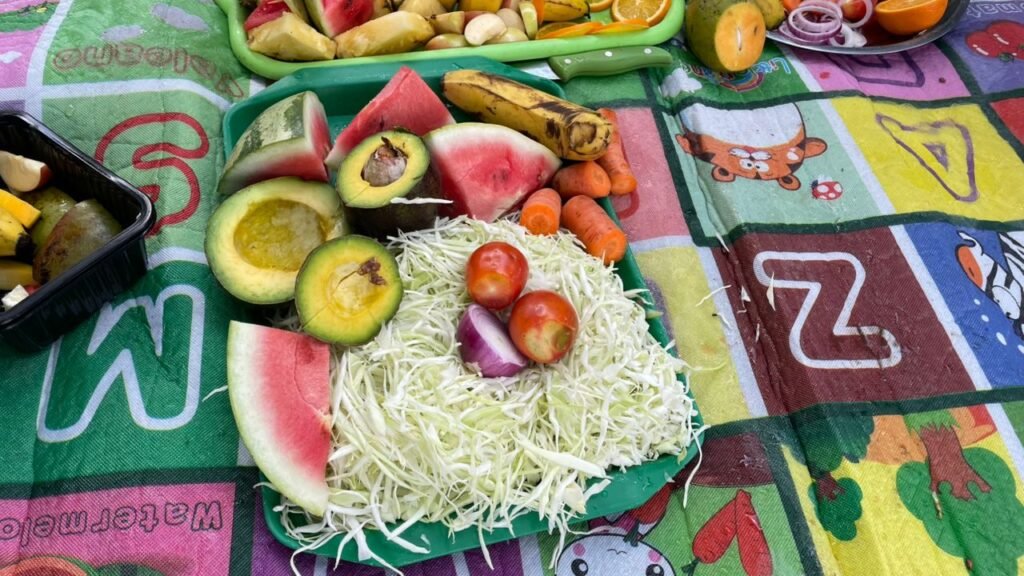
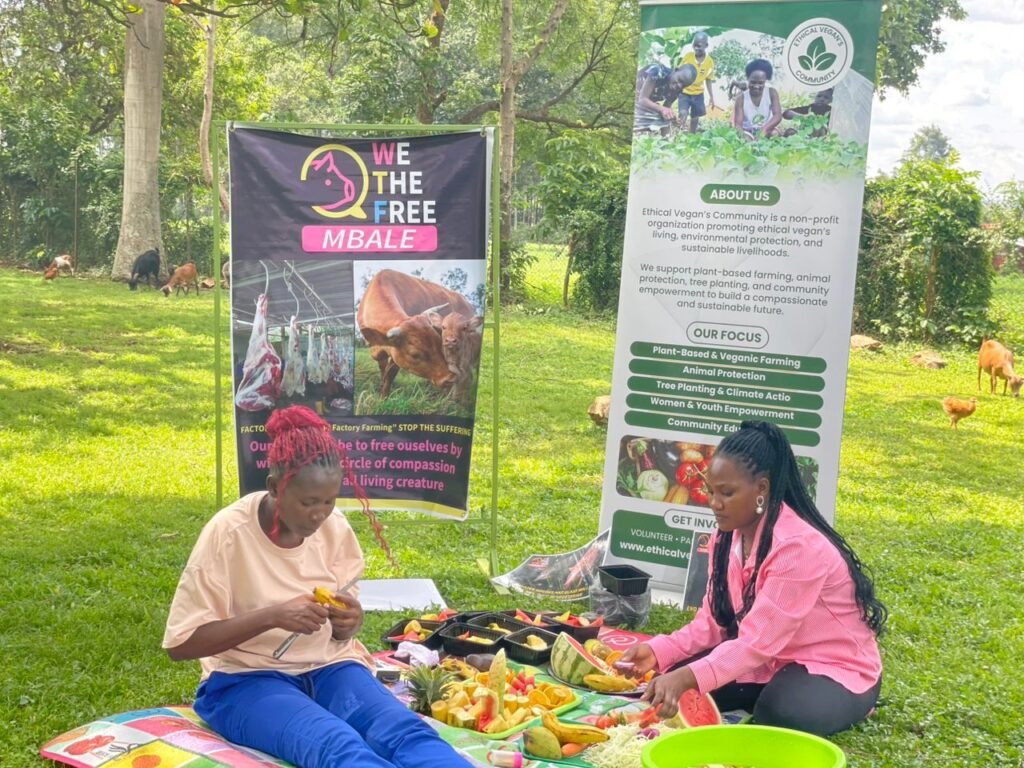
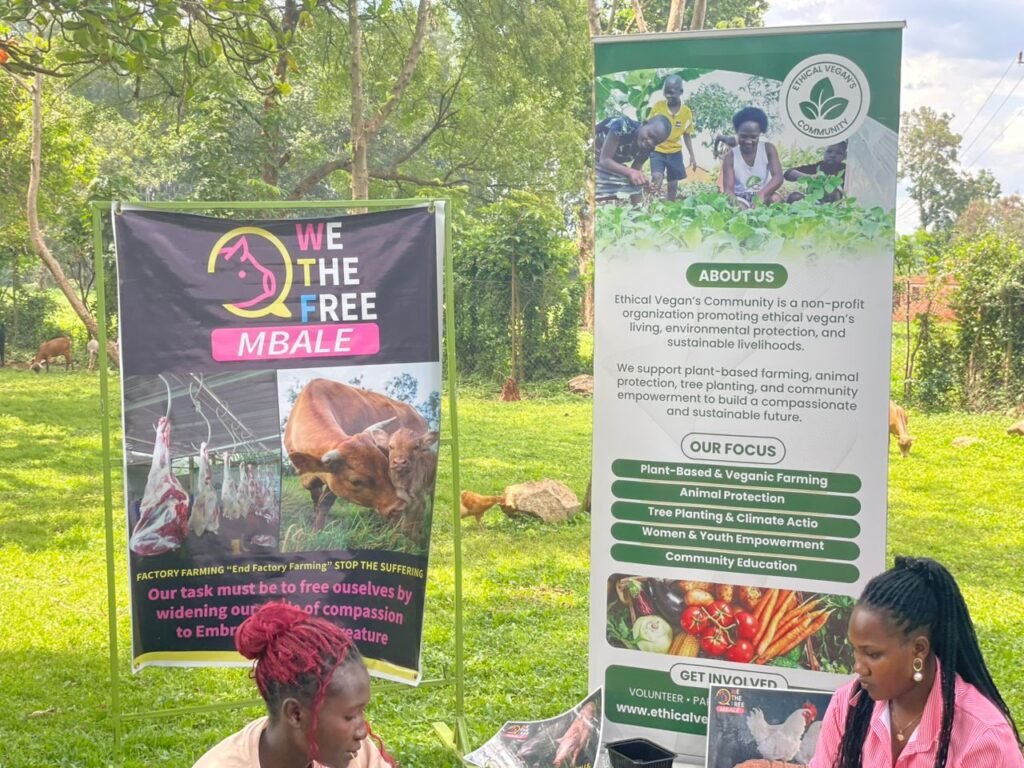
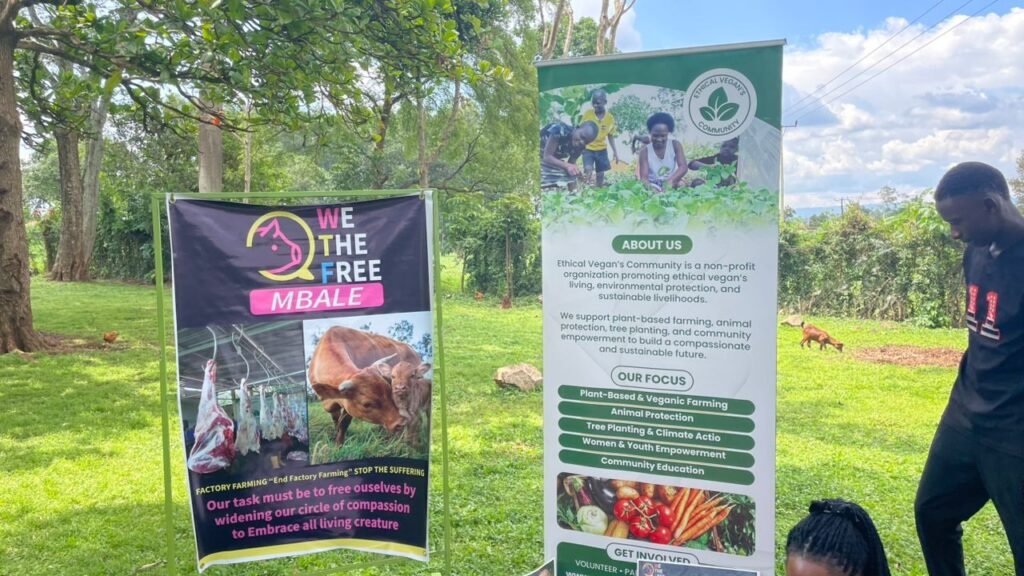
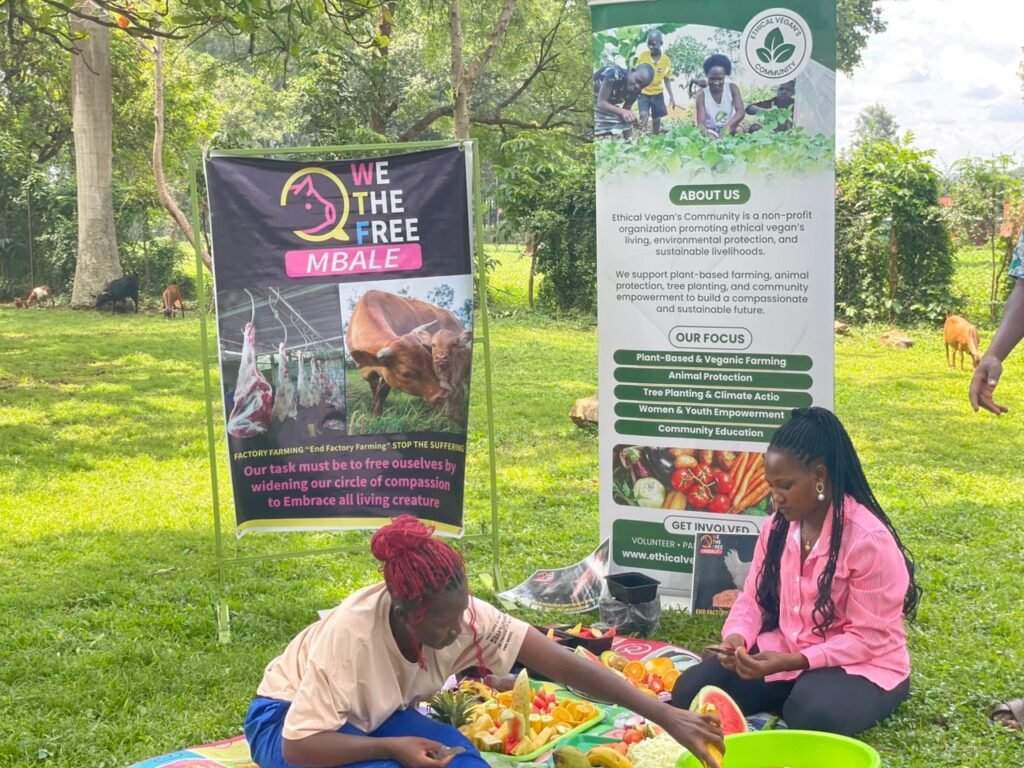
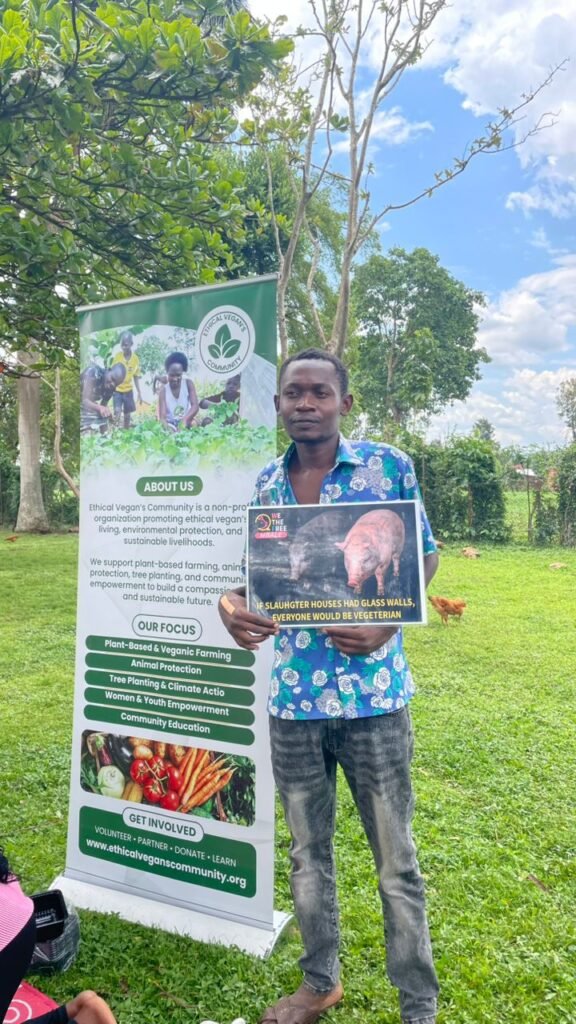
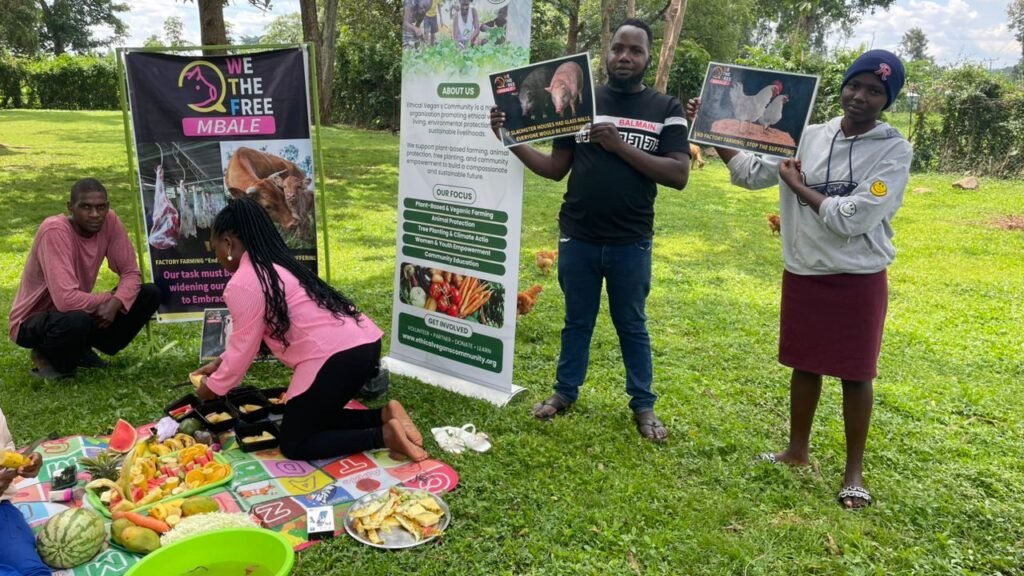
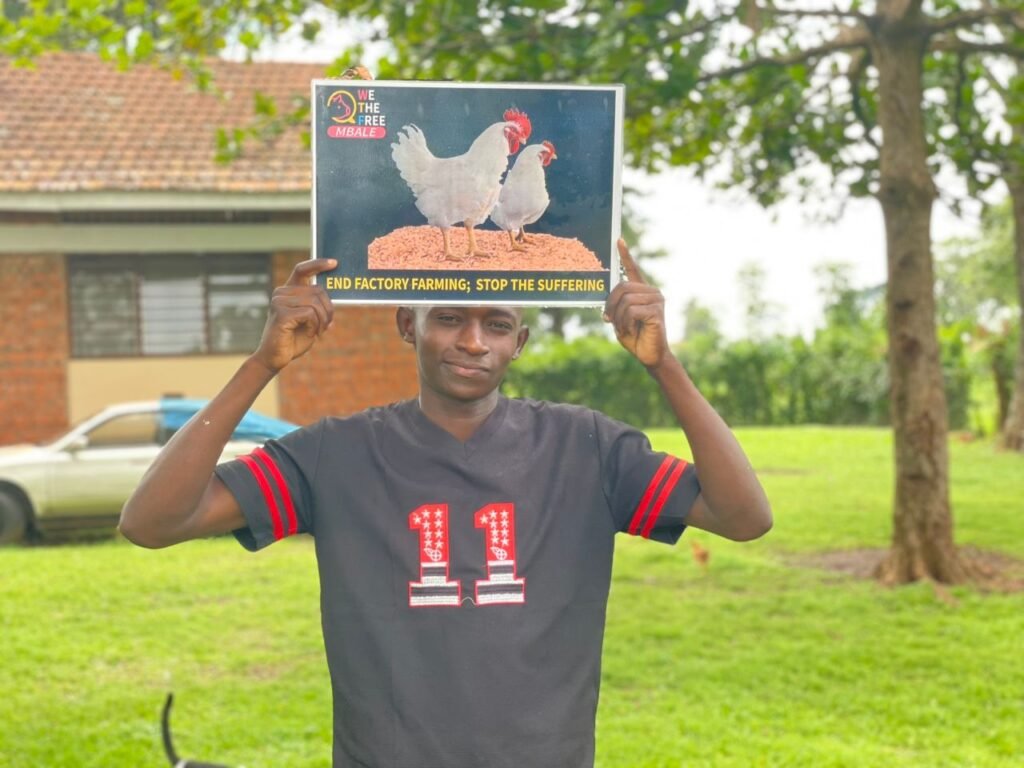
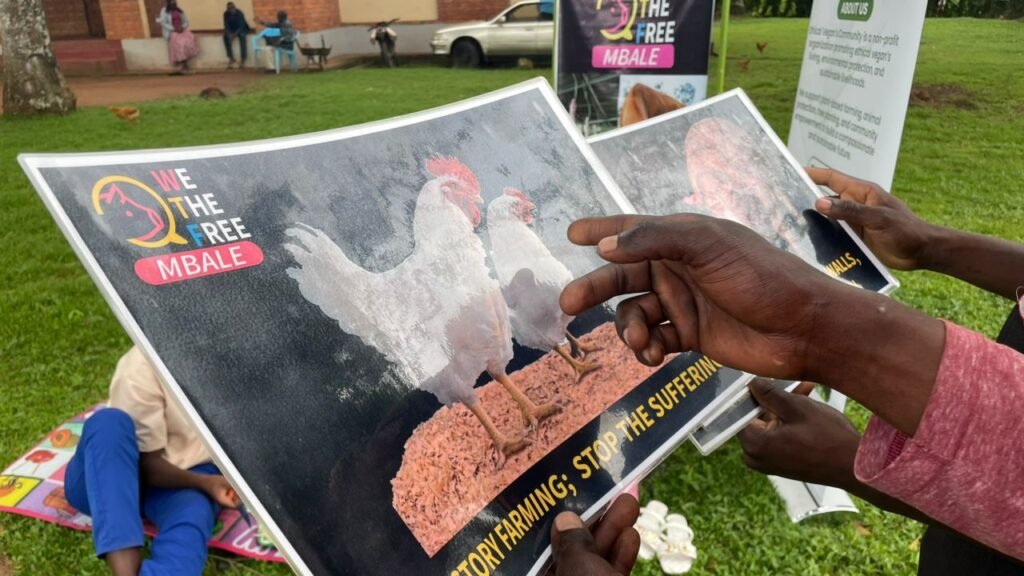
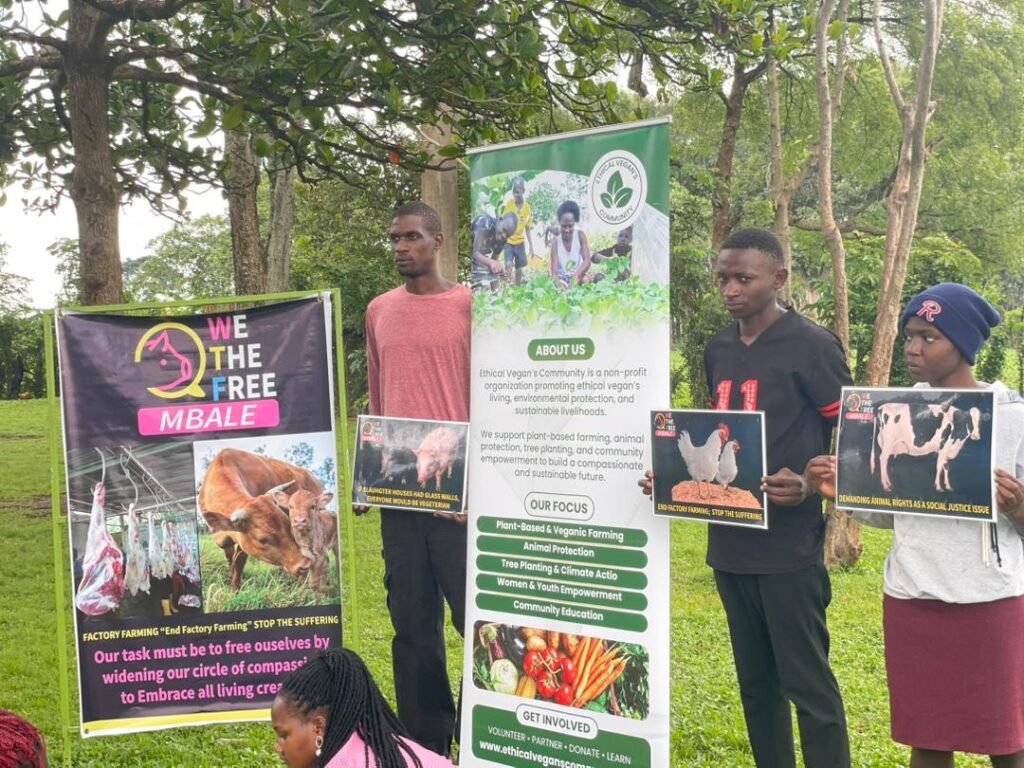
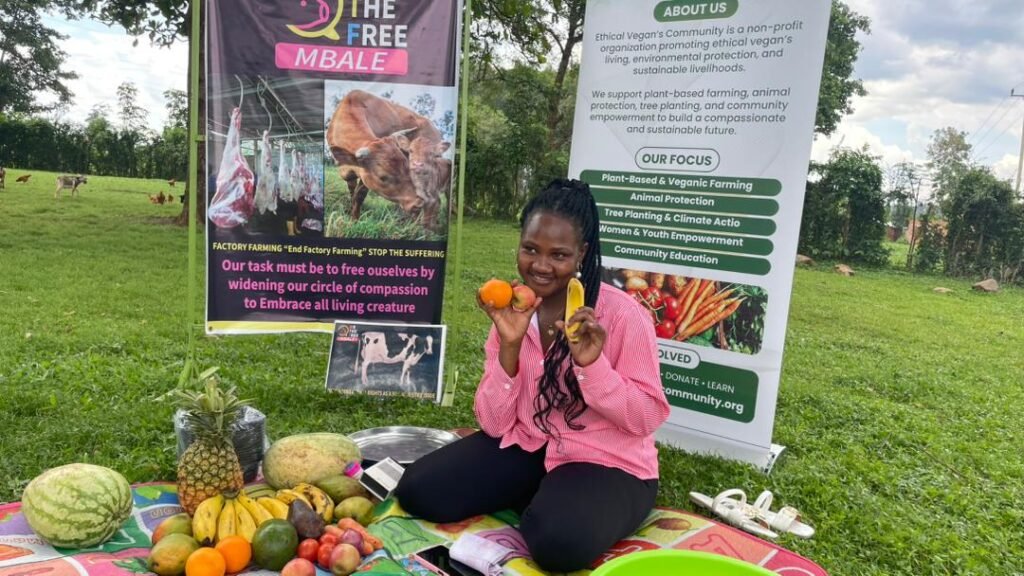
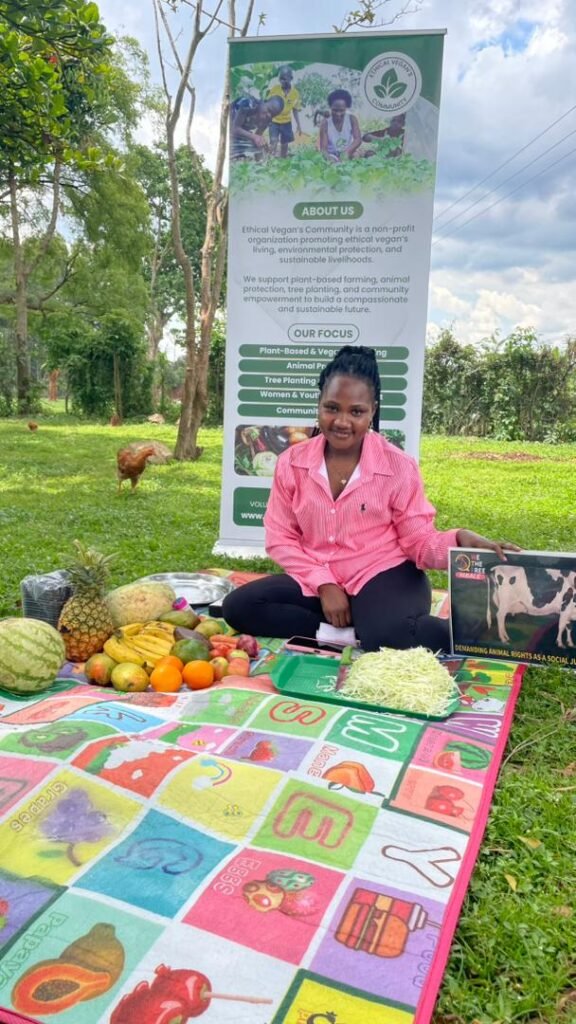
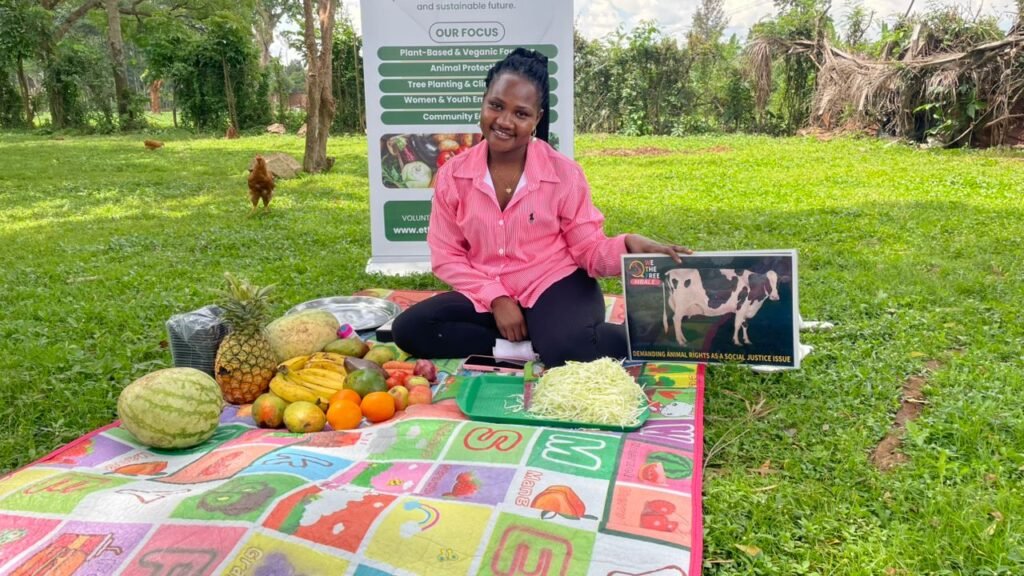
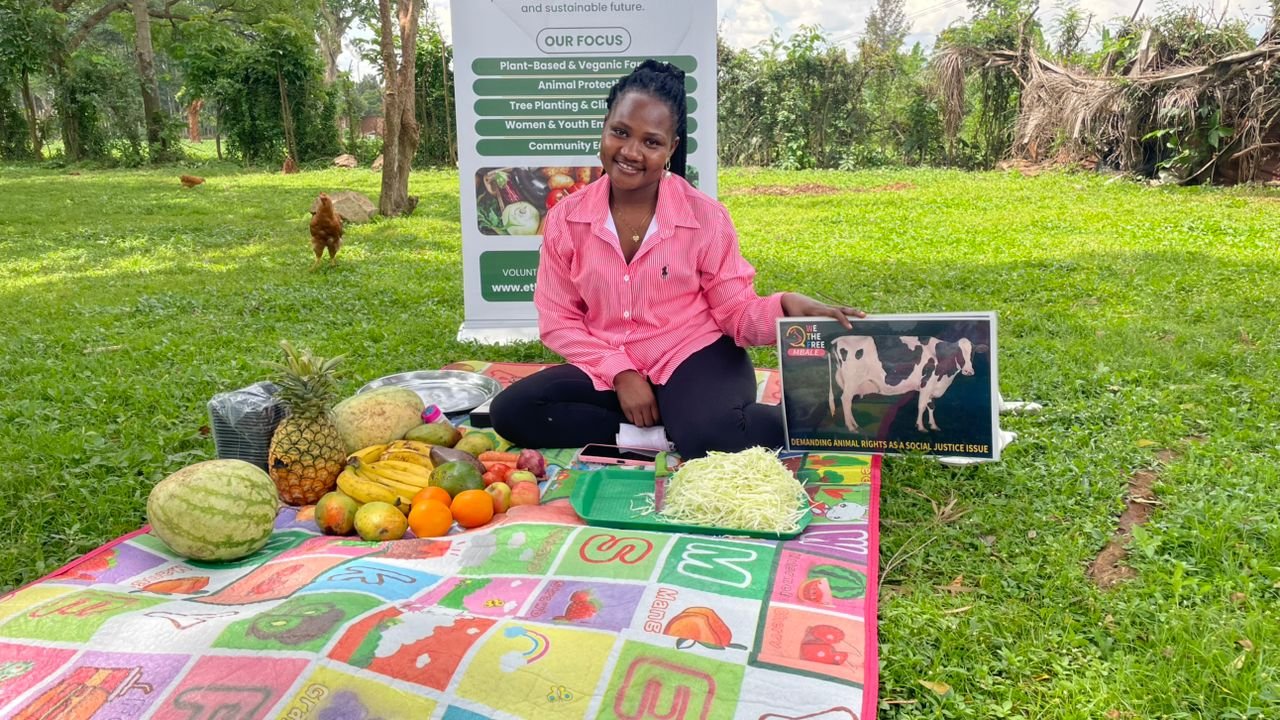
Organized a community picnic in collaboration with We The Free
Conducted street outreach campaigns advocating for animal rights
Held meetings with partner organizations to promote plant-based policies
These efforts strengthen our mission to speak for voiceless animals while empowering communities.
New Milestone: Our Official Website
We are excited to officially announce the launch of our website:
ethicalveganscommunity.org
This platform will help us:
Share updates and impact stories
Connect with supporters worldwide
Expand our reach and advocacy efforts
Gratitude to Our Supporters
To everyone who contributed through GlobalGiving and GoFundMe—thank you. Your generosity is directly transforming lives, enabling sustainable livelihoods, and protecting animals.
What’s Next
Monitor and document first harvests
Share photos and videos with donors
Expand support to more farmers
Continue advocacy for plant-based living and policies
With much appreciation,
Brenda, President and Founder, Ethical Vegan’s Community Team